
Tattoo numbing creams are specifically designed topical creams that dampen or prevent pain signals from the skin during tattooing. They have ingredients such as lidocaine or benzocaine, which temporarily numb the skin by disrupting nerve responses. They cause a dulling effect after being applied, so you won’t feel much, if any, pain when the tattoo needle hits your skin.
They’re a life saver for individuals with low tolerance for pain, sensitive skin, or those undertaking extended sessions. The cream never has an influence on the ink or design, provided it’s applied correctly — merely your sensitivity.
Why on earth should you even think of applying Numbing Cream to Your Tattoo?
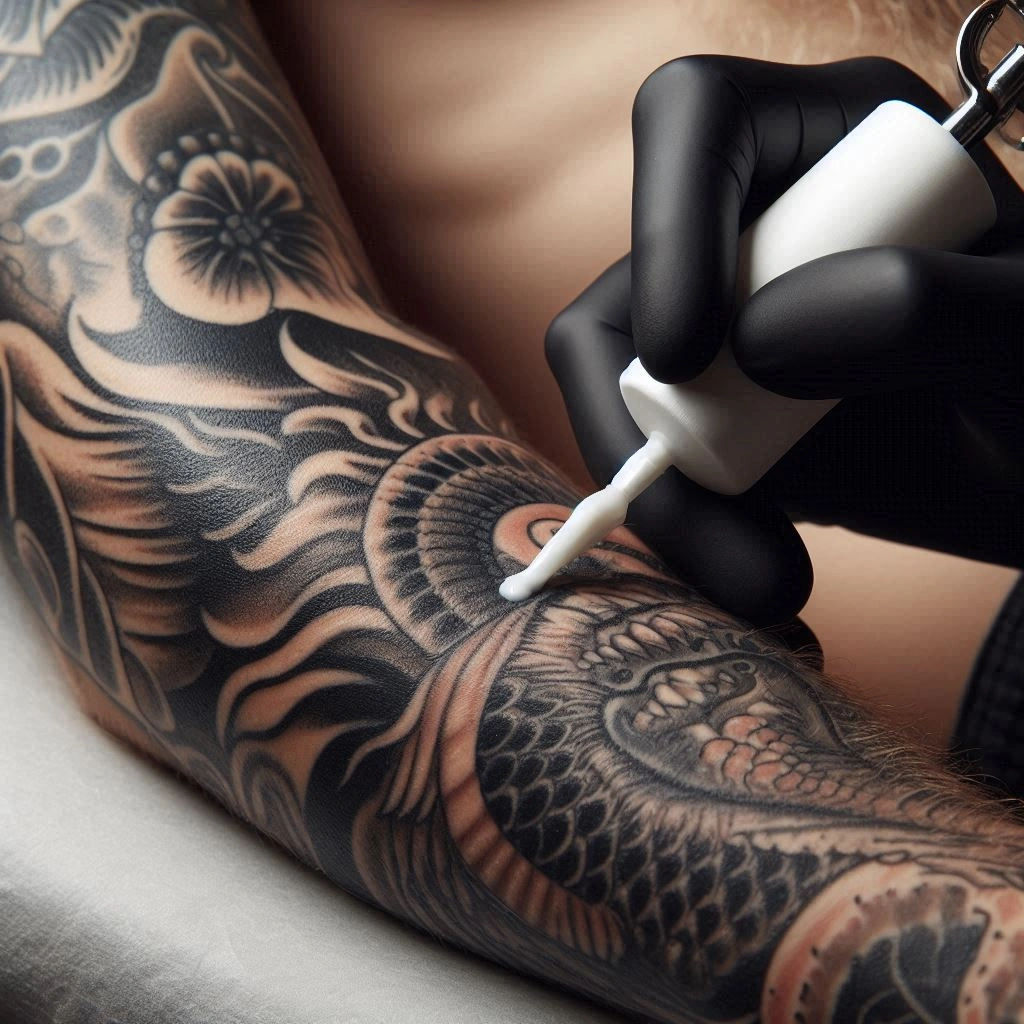
Having ink applied to you is an emotive event, but for many, an invasive one, too. Therefore, why take it upon yourself to endure something unpleasant when an alternative exists?
Following are the principal reasons:
- Pain reduction: Certain areas of the body ache more than others. Numb cream blunts the pain, particularly on ribs, spine, or feet.
- More extended working sessions: With reduced pain, you’re going to sit longer and do bigger or intricate pieces in one session.
- Less nervousness: If pain makes you nervous, knowing it’s been numbed can relax you — both mentally and physically.
- Improved outcomes: A relaxed and quiet client facilitates the artist to work with more accuracy.
So yes, if you value your comfort, a numbing cream makes a huge difference.
How Do You Apply Numbing Cream the Correct Way?
Tattoo numbing cream is not rocket science — it does, however, require application in the correct way for it to be effective. Read on for a step-by-step guide:
- Clean the site: {“text”: “Wash the skin where the tattoo will be placed lightly. Allow it to dry.”}
- Apply a thick layer: Don’t rub it in. Spread a good amount evenly across the site.
- Cover it: Use plastic wrap to cover the cream. It allows the skin to absorb better.
- Wait: Allow the cream to sit for 30 to 60 minutes, based on product recommendations.
- Wipe it off: Clear the cream out entirely before tattooing begins.
Getting this part right ensures that your skin is completely numb when the needle begins its work.
What Are the Most Common Risks or Side Effects of Using Numbing Creams?
While tattoo numbing creams are commonly used, they’re not completely risk-free. Here’s what you should know:
- Skin reactions: Redness, swelling, or itching may happen, particularly if you have sensitive skin.
- Allergic reaction: While uncommon, individuals may experience an allergic reaction to ingredients such as lidocaine.
- Over-application problems: Applying too much can have the opposite effect and decrease efficiency or even make skin too slippery or puffy.
- Ink absorption: In a few instances, overapplication could affect the way in which the ink settles.
Always patch test a minimum of 24 hours before your tattoo session — just in case.
How Long Does the Numbing Effect Actually Last?
The vast majority of creams will provide one to four hours of relief depending on the makeup of the formula and your own skin type.
Factors that control how long are:
- How much you applied
- How long you applied it
- How well you are able to absorb it into your skin
- Where the tattoo is located
Ideally, plan the application so that it’s at peak power just when the needle is initiated.
Does a Numbing Cream Have Any Effect on the Finished Tattoo?
Yes, but only if misused. When applied correctly, numbing creams do not alter how your tattoo looks. But if overused or not cleaned off properly, the skin may:
- Become slippery or overly soft, which may make the artist’s job harder
- Fail to hold ink evenly in rare cases
- Be more prone to bruising
The key? Follow instructions and always tell your artist you’ve used a numbing cream beforehand.
Which Tattoo Sites Are Most Affected by Numbing Creams?
Certain parts of the body are just more painful to tattoo than others. If you’re getting a tattoo in any of these areas, numbing cream can be particularly useful:
- Ribs
- Inner thighs and arms
- Spine and neck
- Ankles and feet
- Elbows and hands
These areas are thin-skinned or near bone, so the pressure from the needle is increased.
What Should You Consider When Selecting a Tattoo Numbing Cream?
Not all creams are created equal. Here’s what to check before buying:
- Active ingredients: Look for lidocaine (around 5%) for reliable numbing.
- Non-oily formula: Easier to clean off and less likely to interfere with tattooing.
- Long duration: Some formulas last longer than others — important for larger pieces.
- Skin compatibility: Check if it’s suitable for your skin type.
- User reviews: What do other tattooed folks say? That often helps.
Try to select one that combines strength and skin safety — and steer clear of ones with unidentifiable ingredients.
How Do You Know if Numbing Cream Is Right for You?
Ask yourself a few questions:
- Do you have a low pain threshold?
- Are you getting tattooed on a sensitive area?
- Will the session be long?
- Do you tend to fidget or shift under discomfort?
If your response is yes to either of these, you’re well-suited for using one. There’s nothing wrong with desiring a bit of assistance during the process — particularly if it leads to a more pleasant experience.
What If You Have a Reaction After Putting on the Cream?
If anything doesn’t sit well with you after using the cream, try this:- Shower it off right away using mild soap and cold water.
- Avoid irritating or scratching the area.
- Apply a cold compress to reduce inflammation or redness.
- Consult a doctor if you experience blistering, swelling, or pain.
- Always be cautious, particularly before sitting for hours with a needle.
Can You Reapply Numbing Cream Mid-Session?
Technically, yes — but only with your artist’s permission and if the cream is reapplication-friendly. Certain artists dislike reapplying mid-session for reasons of hygiene, skin texture transformation, or ink flow problems. Therefore, the best thing to do is have a session duration planned and apply in advance accordingly. If it’s an exceptionally long session, plan ahead for a break and reapplication schedule.Final Thoughts: Is Tattoo Numbing Cream Worth It?
Only you can decide — but to many, it makes the whole tattoo experience worthwhile and tolerable. If you’re anxious about pain, obtaining a bigger piece, or merely want to feel at peace, a tattoo numbing cream might make a great difference.- Simply ensure that you:
- Select the correct cream
- Use it in the proper way
- Observe safety guidelines
- Communicate effectively with your artist